
Ideal Finance: Unveiling Financial Wisdom– Discover the secrets of ideal finance in this comprehensive guide. Learn strategies, tips, and insights to optimize your financial journey for success.

1. Introduction
Table of Contents
Embark on a journey to financial excellence as we delve into the intricacies of ideal finance. In a world where financial choices abound, finding the ideal path is paramount for securing a stable future.
2. Understanding Ideal Finance

Unravel the concept of ideal finance, where smart decisions and strategic planning lead to financial well-being. Dive into the nuances of managing income, expenses, and investments for optimal results.
3. Crafting a Budget that Fits: Ideal Finance 101
Explore the art of budgeting, a cornerstone of ideal finance. Learn how to allocate resources wisely, prioritize spending, and build a budget that aligns with your financial goals.
4. Investing Wisely for Financial Growth

Unlock the secrets of ideal finance through intelligent investing. Discover various investment avenues, assess risk, and make informed choices to grow your wealth steadily.
5. Debt Management: A Crucial Element of Ideal Finance

Navigate the complexities of debt with a strategic approach. Learn effective debt management techniques to ensure your financial health remains robust.
6. Savings Strategies for Long-Term Stability

Delve into the significance of savings in the realm of ideal finance. Uncover practical strategies to build an emergency fund, save for goals, and secure your financial future. (Ideal Finance: Unveiling Financial Wisdom)
7. Navigating the World of Credit

Understand the role of credit in ideal finance. Gain insights into maintaining a healthy credit score, using credit wisely, and leveraging it to your advantage.
8. Realizing Financial Goals: Ideal Finance in Action
Witness ideal finance in action as we explore real-life examples and success stories. Learn how individuals achieved financial milestones through prudent choices and disciplined approaches.
9. Embracing Financial Literacy
Empower yourself with financial knowledge. Discover the importance of financial literacy in making informed decisions that align with the principles of ideal finance.
10. The Impact of Economic Trends on Ideal Finance
Stay ahead of the curve by understanding how economic trends influence ideal finance. Gain insights into adapting your financial strategy to thrive in evolving economic landscapes.
11. Balancing Act: Family and Ideal Finance
Explore the dynamics of managing family finances while adhering to the principles of ideal finance. Discover strategies for open communication and collaborative financial planning.(Ideal Finance: Unveiling Financial Wisdom)
12. Ideal Finance for Entrepreneurs

Entrepreneurs, uncover tailored insights into ideal finance. Navigate the challenges of entrepreneurship while ensuring your financial strategy aligns with your business goals.
13. Tax Optimization Strategies
Maximize your financial efficiency through strategic tax planning. Uncover ideal finance practices to minimize tax liabilities while staying compliant with tax regulations.
14. Ideal Finance for Different Life Stages
Tailor your financial strategy to your life stage. From early career to retirement, discover ideal finance practices that adapt to your evolving needs.
15. Building Resilience: Financial Security in Uncertain Times

Explore strategies for building financial resilience. Ideal finance isn’t just about growth; it’s about weathering storms and emerging stronger in the face of uncertainty.
16. Challenges on the Road to Ideal Finance
Acknowledge and overcome common challenges in achieving ideal finance. From unexpected expenses to market fluctuations, learn to navigate hurdles with grace.
17. The Psychology of Money: Ideal Finance Mindset
Understand the psychological aspects of money management. Cultivate an ideal finance mindset that fosters healthy financial habits and decision-making.
18. Technology and Ideal Finance: A Symbiotic Relationship

Embrace the role of technology in ideal finance. Explore innovative tools and platforms that enhance financial management and decision-making.
19. Balancing Risk and Reward in Ideal Finance
Navigate the delicate balance between risk and reward. Learn how to assess risk tolerance and make strategic decisions that align with your ideal finance goals.
20. Evolving Trends in Ideal Finance
Stay updated on the latest trends shaping ideal finance. From fintech innovations to global economic shifts, adapt your financial strategy to stay ahead.

21. Ideal Finance for Nonprofits
Nonprofits, discover tailored financial strategies to maximize impact. Learn how ideal finance principles apply to the unique challenges and opportunities in the nonprofit sector.
22. The Role of Ethics in Ideal Finance
Explore the ethical considerations in financial decision-making. Ideal finance goes beyond numbers; it involves making choices that align with ethical principles.
23. Measuring Financial Success: Beyond Numbers
Redefine success in ideal finance. Understand that true financial success extends beyond monetary gains to encompass overall well-being and fulfillment.(Ideal Finance: Unveiling Financial Wisdom)
24. The Global Perspective: Ideal Finance Across Cultures
Acknowledge the diversity of financial practices globally. Gain insights into how ideal finance principles adapt to cultural nuances and varying economic landscapes.
Personal Budgeting
Mastering the art of personal budgeting is a transformative journey that empowers individuals to take control of their financial destinies. At its core, personal budgeting is not just about numbers on a spreadsheet; it’s a strategic approach to managing income, expenses, and savings with a keen eye on financial goals. The process involves a meticulous examination of spending patterns, identifying areas for optimization, and creating a roadmap for optimal financial health.
In the realm of personal budgeting, the first step is to gain a comprehensive understanding of your income sources. This includes not only your primary salary but also additional streams, such as freelance work or passive income. By having a clear picture of your financial inflow, you lay the foundation for effective budget planning.
Equally important is the scrutiny of your expenditures. Categorizing expenses into fixed and variable, essential and discretionary, provides insights into where your money is going. This categorization sets the stage for informed decision-making, allowing you to prioritize spending based on your financial goals.
Crafting a realistic budget involves more than just cutting expenses; it’s about aligning your spending with your values and aspirations. This might include allocating funds for experiences, savings, or investments that contribute to your overall well-being and financial growth.

The power of personal budgeting lies in its adaptability. Life is dynamic, and so should be your budget. Regular reviews and adjustments ensure that your financial plan evolves with changes in income, lifestyle, or unexpected expenses. Flexibility is key to maintaining financial stability in the face of life’s uncertainties.
Ultimately, personal budgeting is not a one-size-fits-all endeavor. It’s a personalized roadmap that reflects your unique financial situation and goals. By mastering the art of personal budgeting, you pave the way for a secure financial future, free from the stress of financial uncertainties and filled with the promise of achieving your aspirations.
Sustainable Investments
Sustainable investments, a cornerstone of responsible financial practices, involve allocating capital to companies, organizations, or funds that prioritize environmental, social, and governance (ESG) factors. Unlike traditional investments solely focused on financial returns, sustainable investments aim to generate positive impacts on the world.

Investors in sustainable initiatives often consider the long-term effects of their choices, seeking opportunities that align with their ethical values. These investments may involve supporting companies committed to reducing their carbon footprint, promoting social justice, or maintaining high ethical standards in governance.
Key components of sustainable investments include environmental conservation, social responsibility, and ethical governance. Environmentally conscious investments may involve renewable energy projects, waste reduction initiatives, or sustainable agriculture. Social responsibility focuses on promoting fair labor practices, diversity, and community development. Ethical governance ensures transparency, accountability, and ethical decision-making within the organizations being invested in. (Ideal Finance: Unveiling Financial Wisdom)
The growing popularity of sustainable investments reflects a broader societal shift towards conscious capitalism. Investors increasingly recognize the potential for both financial returns and positive social and environmental impacts. As the world addresses pressing global challenges, sustainable investments stand as a testament to the power of aligning financial goals with a commitment to a better, more sustainable future.
Best Financial Planning Apps
The world of personal finance has been revolutionized by the advent of Best Financial Planning Apps, powerful tools designed to streamline and enhance the management of one’s financial life. These apps offer a user-friendly interface and a suite of features that cater to various aspects of financial planning, making them indispensable companions for individuals seeking greater control over their money.
Best Financial Planning Apps often encompass budgeting tools, expense tracking, investment analysis, and even retirement planning. With real-time updates on spending patterns, users can gain valuable insights into their financial habits, enabling them to make informed decisions. These apps also frequently provide automated features, such as bill payment reminders and savings goal trackers, helping users stay on top of their financial responsibilities.

One of the key advantages of these apps is their accessibility. With the majority of people carrying smartphones, financial planning becomes a portable and convenient process. Whether it’s creating budgets on the go or monitoring investment portfolios from anywhere in the world, these apps empower users to manage their finances with unprecedented ease.
Moreover, many Best Financial Planning Apps utilize advanced security features, ensuring the protection of sensitive financial information. The ability to link multiple accounts, including bank and investment accounts, allows for a comprehensive overview of one’s financial landscape in a single, centralized platform.
In essence, these apps represent a paradigm shift in the way individuals approach financial planning. They bring together convenience, accessibility, and robust features, offering a holistic solution to navigate the complexities of personal finance. Whether you’re a seasoned investor or just starting on your financial journey, integrating the Best Financial Planning Apps into your routine can significantly contribute to achieving your financial goals.
Debt Repayment
Strategies for Debt Repayment are essential tools for individuals looking to regain control of their financial well-being. The journey to becoming debt-free requires a thoughtful and strategic approach, encompassing various methods tailored to individual circumstances.
One commonly employed strategy is the Debt Snowball Method. This approach involves prioritizing the repayment of the smallest debts first, regardless of interest rates. As these smaller debts are paid off, the momentum gained is then directed towards larger debts. This method focuses on building psychological victories, creating a sense of accomplishment with each debt cleared.(Ideal Finance: Unveiling Financial Wisdom)
Conversely, the Debt Avalanche Method prioritizes debts based on their interest rates. With this strategy, individuals target high-interest debts first, mathematically optimizing the repayment process to reduce overall interest payments. While it may take longer to see the first debt fully repaid, this method ultimately minimizes the total interest paid over time.
Debt Consolidation is another strategy that involves combining multiple debts into a single, more manageable loan. This can lead to lower interest rates and simplified monthly payments. However, it’s crucial to assess the terms of the consolidation to ensure it aligns with your financial goals.

Budgeting plays a fundamental role in debt repayment strategies. Creating a detailed budget allows individuals to allocate extra funds towards debt payments systematically. By identifying areas where expenses can be trimmed and diverting those savings towards debt, individuals accelerate their journey to financial freedom.
In times of financial hardship, negotiating with creditors is a viable strategy. Communicating openly about financial difficulties may result in temporary reduced payments, modified interest rates, or other relief options. Many creditors prefer working with individuals who demonstrate a genuine commitment to settling their debts.
Ultimately, the key to successful debt repayment lies in choosing a strategy that aligns with your financial situation, staying disciplined in its execution, and seeking professional advice when needed. By implementing these strategies, individuals can pave the way to a debt-free future and regain control over their financial destinies.
Emergency Savings Plan
Creating and maintaining an Emergency Savings Plan is a fundamental aspect of responsible financial management, providing a safety net for unexpected expenses or financial setbacks. This strategic plan acts as a financial cushion, offering peace of mind and stability in times of uncertainty.
An Emergency Savings Plan involves setting aside a dedicated fund to cover unforeseen expenses, such as medical emergencies, car repairs, or sudden job loss. The goal is to create a financial buffer that allows individuals to weather unexpected storms without resorting to high-interest debt or depleting long-term savings.
The first step in crafting an effective Emergency Savings Plan is determining the ideal amount to set aside. Financial experts often recommend saving three to six months’ worth of living expenses. This ensures that you have a sufficient financial reserve to cover essential costs in case of emergencies.
Consistency is key when building your emergency fund. Establish a regular savings routine, allocating a portion of your income to your Emergency Savings Plan each month. Automating this process through direct deposits or automatic transfers can make it easier to stay on track.

Select a separate, easily accessible account for your emergency fund. While it’s essential for the money to be readily available when needed, keeping it separate from your regular checking account helps resist the temptation to dip into it for non-emergencies.
The Emergency Savings Plan not only provides financial security but also contributes to overall financial wellness. It minimizes the impact of unexpected events on your long-term financial goals, fostering a sense of control and resilience.(Ideal Finance: Unveiling Financial Wisdom)
Having an Emergency Savings Plan in place doesn’t just shield you from financial turmoil; it offers peace of mind and the flexibility to navigate life’s uncertainties. Whether it’s a sudden medical expense or unexpected home repair, your Emergency Savings Plan serves as a financial anchor, allowing you to face challenges with confidence and financial stability.
Importance of Financial Literacy
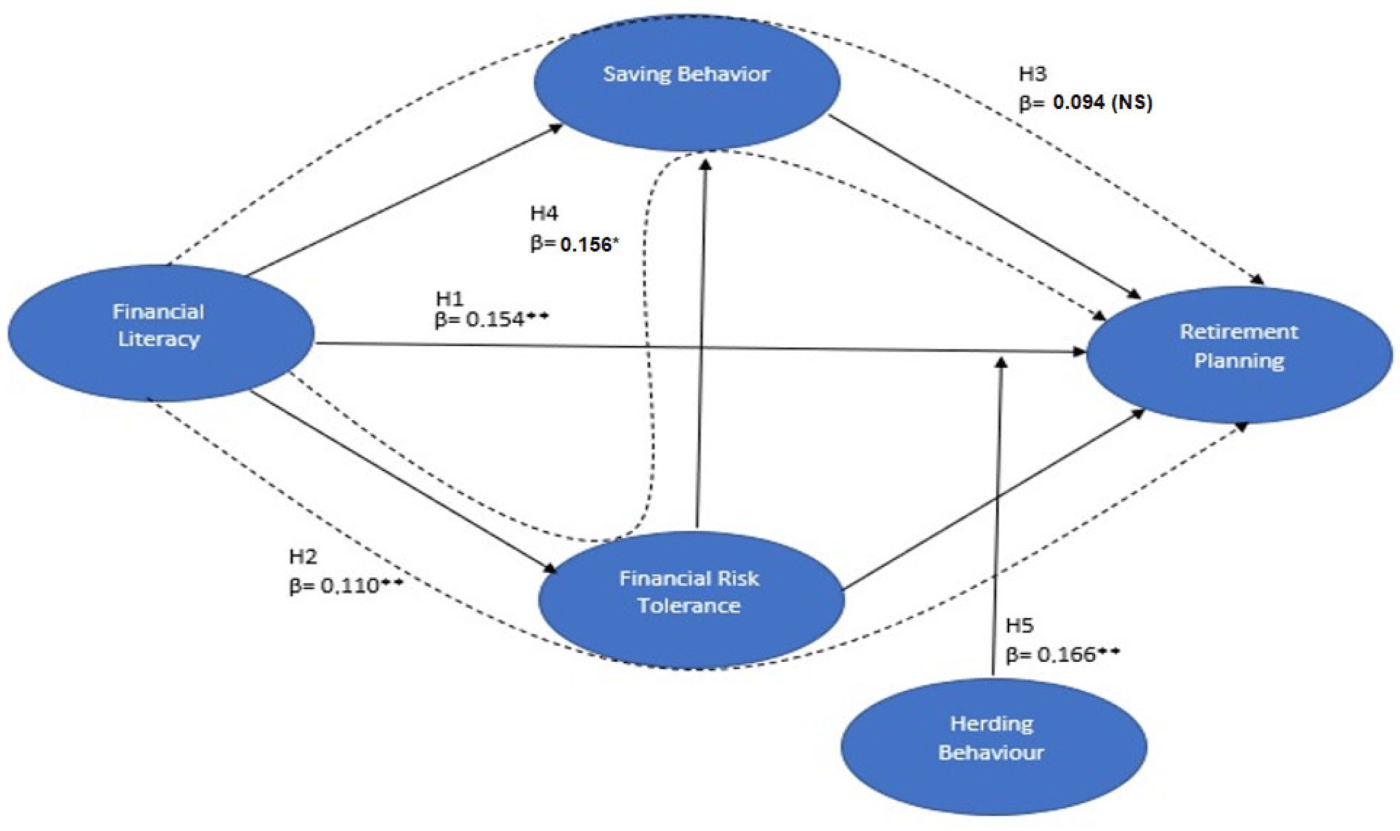
The Importance of Financial Literacy cannot be overstated in today’s complex and dynamic economic landscape. Financial literacy goes beyond the basic understanding of income and expenses; it equips individuals with the knowledge and skills to make informed and effective financial decisions, ultimately leading to improved financial well-being.
One of the primary advantages of financial literacy is empowerment. Understanding key financial concepts, such as budgeting, investing, and debt management, empowers individuals to take control of their financial destinies. This knowledge enables informed decision-making, fostering a sense of confidence and self-reliance in navigating the intricacies of personal finance.
Financial literacy is a vital tool for goal setting and financial planning. Individuals who are financially literate can articulate and work towards specific financial goals, whether it be saving for a home, funding education, or planning for retirement. This goal-oriented approach contributes to long-term financial success.
Moreover, financial literacy acts as a shield against potential pitfalls. It equips individuals to recognize and avoid common financial traps, such as high-interest debt, investment scams, and unnecessary fees. This protective aspect of financial literacy safeguards individuals from making costly mistakes that could derail their financial stability.
In a rapidly evolving financial landscape, adaptability is crucial. Financially literate individuals are better positioned to adapt to economic changes, technological advancements, and shifts in market dynamics. They can leverage new financial tools and opportunities, staying ahead in an ever-changing financial environment.

Financial literacy also plays a pivotal role in promoting economic stability at the societal level. Communities with a high level of financial literacy often experience lower rates of poverty, reduced financial stress, and increased economic resilience. This underscores the broader impact of individual financial literacy on the overall well-being of society.
In conclusion, the importance of financial literacy extends far beyond individual financial management. It is a catalyst for personal empowerment, goal attainment, and economic stability. By investing in financial education, individuals not only enhance their own financial well-being but also contribute to the overall economic health and prosperity of their communities.
Early Retirement Strategies
Exploring Early Retirement Strategies opens up a realm of possibilities for those seeking financial freedom and a life beyond the traditional retirement age. Early retirement is not merely a financial milestone; it’s a lifestyle choice that requires careful planning, disciplined execution, and a commitment to financial independence.
One key aspect of early retirement strategies is aggressive savings. Individuals aiming for early retirement often prioritize saving a significant portion of their income, well beyond the conventional retirement savings rates. This aggressive savings approach facilitates the accumulation of a substantial retirement nest egg in a shorter time frame.
Investment plays a pivotal role in early retirement planning. Adopting an investment strategy that aligns with your risk tolerance, goals, and timeline is essential. Many early retirees explore diverse investment options, including stocks, real estate, and other income-generating assets, to accelerate wealth growth and build a robust financial portfolio.
Budgeting and lifestyle choices are integral components of early retirement strategies. Early retirees often adopt a frugal lifestyle, optimizing expenses to maximize savings. This may involve minimizing debt, cutting unnecessary expenses, and being mindful of lifestyle inflation to ensure financial resources are directed towards long-term goals.(Ideal Finance: Unveiling Financial Wisdom)
Passive income streams are crucial in sustaining an early retirement lifestyle. Whether through investments, rental properties, or other sources, cultivating passive income ensures a continuous cash flow during retirement. This financial cushion provides a safety net, reducing reliance solely on savings and contributing to long-term financial sustainability.
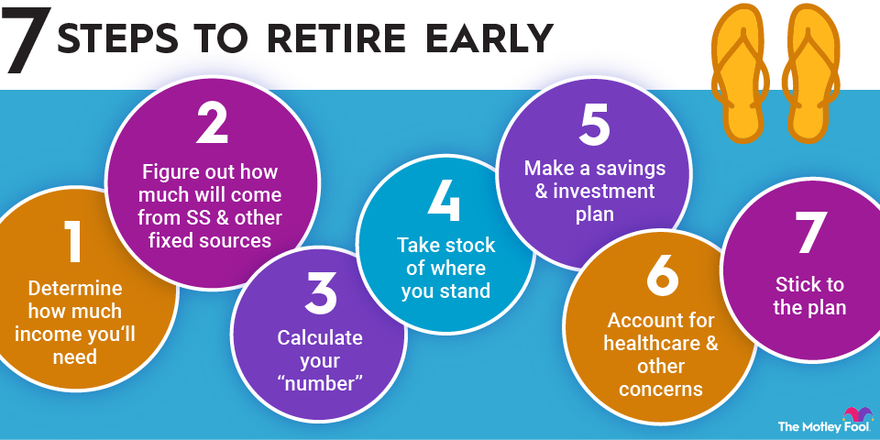
Healthcare planning is a critical consideration in early retirement. Since many retirees become eligible for Medicare at age 65, early retirees must bridge the gap between early retirement and Medicare eligibility. Developing a comprehensive healthcare strategy, including exploring health insurance options and estimating potential healthcare costs, is vital for a smooth transition into early retirement.
Early retirement strategies also involve tax planning. Optimizing tax efficiency in withdrawals, utilizing tax-advantaged accounts, and understanding tax implications of investments contribute to preserving and maximizing financial resources during retirement.
Ultimately, the path to early retirement is unique to each individual. Early retirement strategies require careful consideration of financial goals, risk tolerance, and lifestyle preferences. By adopting a proactive and strategic approach to financial planning, individuals can transform the dream of early retirement into a tangible and achievable reality.
7 Top Personal Finance Trends to Watch Out for in 2023
Personal finance is a dynamic landscape, and staying abreast of the latest trends is crucial for making informed decisions. As we step into 2023, several trends are poised to shape the way individuals manage their finances. Let’s explore the seven top personal finance trends that are set to make waves this year.

In an era of rapid change, keeping a pulse on personal finance trends is akin to navigating a financial roadmap. Whether you’re a seasoned investor or just starting on your financial journey, understanding the prevailing trends can make a significant difference in achieving your financial goals.
Technology Integration in Financial Management
One notable trend gaining momentum is the integration of technology into personal finance. Gone are the days of manual spreadsheets; individuals are now leveraging mobile apps, artificial intelligence, and automation tools for seamless financial planning. These technologies not only streamline budgeting processes but also provide real-time insights into spending patterns.
Rise of Sustainable and Ethical Investing
Another noteworthy trend is the increasing interest in sustainable and ethical investing. Investors are no longer solely focused on financial returns; they are considering the environmental and social impact of their investments. This shift signifies a broader awareness of the interconnectedness between financial decisions and broader global issues. (Ideal Finance: Unveiling Financial Wisdom)
Cryptocurrency and Decentralized Finance (DeFi)
Cryptocurrency continues to be a focal point in personal finance discussions. Beyond Bitcoin and Ethereum, decentralized finance (DeFi) is gaining traction. Understanding the basics of DeFi, including decentralized lending and borrowing, opens up new avenues for diversification and financial growth.
Remote Work and Gig Economy Impact
The transformation of work structures, with an increasing emphasis on remote work and gig economy opportunities, has a direct impact on personal finance. Individuals are navigating fluctuating income streams and adapting their financial strategies to accommodate the dynamic nature of work in the digital age.
Financial Wellness Programs in Corporates

Recognizing the link between employee well-being and productivity, corporates are incorporating financial wellness programs into their benefits packages. These programs aim to provide employees with tools and resources to enhance their financial health, from managing debt to planning for retirement.
Educational Initiatives for Financial Literacy
Financial literacy is gaining prominence as a fundamental skill set. Educational initiatives, both online and offline, are empowering individuals with the knowledge to make informed financial decisions. Understanding concepts like budgeting, investing, and debt management is no longer reserved for financial experts.
25. FAQs: Demystifying Ideal Finance/ Your Guide to Personal Finance Trends
Uncover answers to common queries about ideal finance, providing clarity and guidance to readers.
Ideal Finance and Your Guide to Personal Finance Trends FAQs:
Conclusion
In conclusion, navigating the ever-evolving landscape of personal finance requires a keen awareness of emerging trends. From embracing technology to considering the ethical implications of investments, the trends for 2023 reflect a broader shift towards holistic financial well-being. As you embark on your financial journey this year, staying informed and adaptable will be key to achieving your goals.
In the realm of ideal finance, knowledge is power. Equip yourself with the insights shared in this guide to make informed decisions, navigate challenges, and embark on a journey towards financial prosperity.
You May Also Like


