
Which part of the brain maintains posture and equilibrium:-Ever wondered how you stay upright? It’s all thanks to the cerebellum, a fascinating part of your brain responsible for balance, coordination, and posture. This comprehensive guide dives deep into the cerebellum’s function, compares it to other brain regions, and explores how to keep your balance in check.
Introduction
Which part of the brain maintains posture and equilibrium.Have you ever marveled at a gymnast’s seemingly effortless grace or a tightrope walker’s unwavering focus? These feats of balance and coordination rely on a remarkable part of the brain: the cerebellum. Often referred to as the “little brain” due to its location at the back of the skull, the cerebellum plays a critical role in maintaining our posture, keeping us upright, and allowing us to move smoothly.
But the cerebellum’s job description goes beyond just balance. It’s a complex and intricate structure that integrates information from various sources, including the inner ear, muscles, and joints, to fine-tune our movements. Let’s delve deeper into the wonders of the cerebellum and explore its vital role in keeping us balanced and coordinated.Which part of the brain maintains posture and equilibrium.
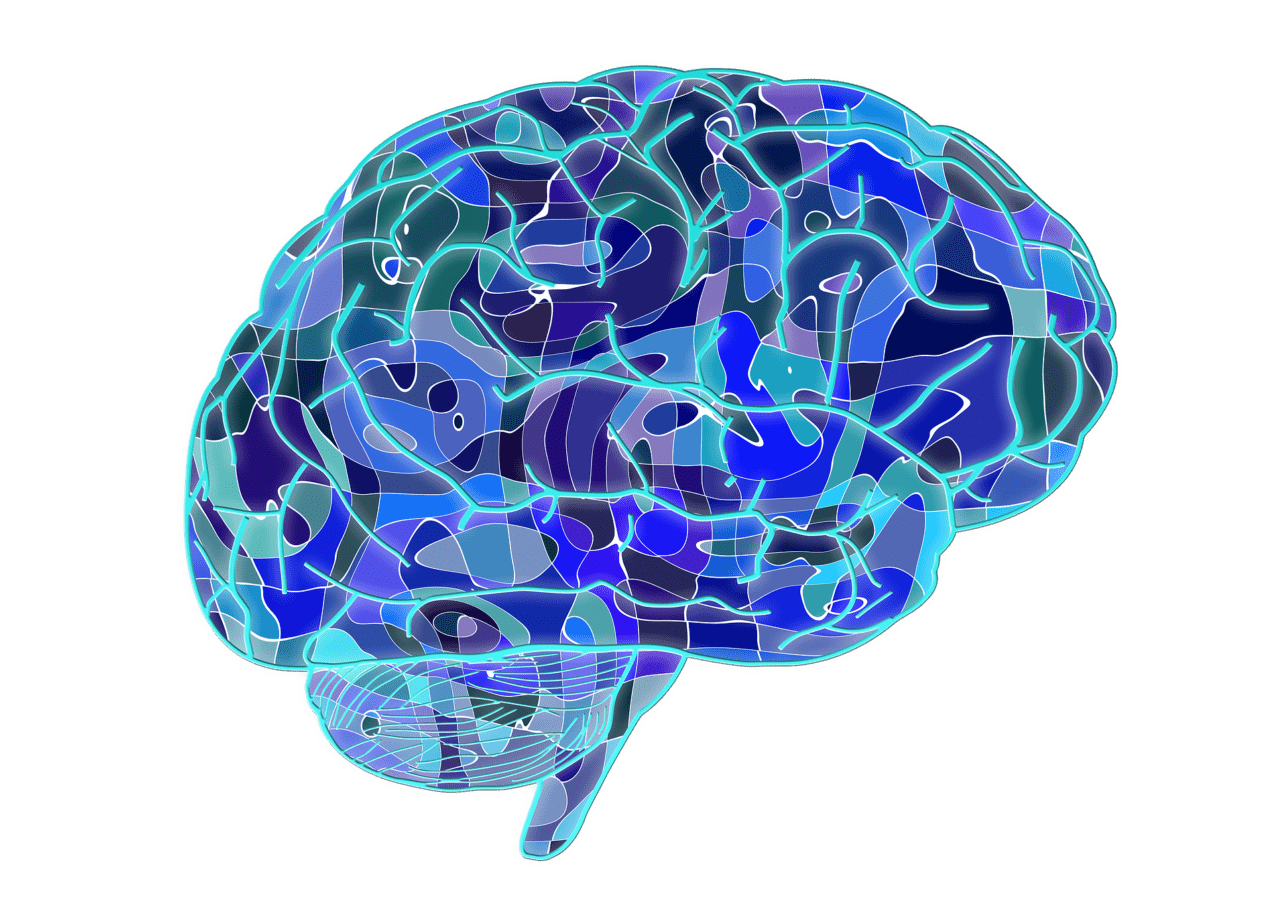
The Cerebellum: Master of Coordination:- https://www.youtube.com/watch?v=TL6rsDBJ2tg&pp=ygVFV2hpY2ggcGFydCBvZiB0aGUgYnJhaW4gbWFpbnRhaW5zIHBvc3R1cmUgYW5kIGVxdWlsaWJyaXVtIG9mIHRoZSBib2R5
Table of Contents
which-part-of-the-brain-maintains-posture-and-equilibrium.
The cerebellum is a highly folded structure with a wrinkled surface, resembling a cauliflower. This intricate design maximizes its surface area, allowing for a vast number of neural connections. Here’s a breakdown of the cerebellum’s key functions:
- Balance and Equilibrium: The cerebellum receives signals from the inner ear’s vestibular system, which helps us sense head position and movement. It then coordinates muscle movements to maintain our center of gravity and prevent us from falling.
- Coordination: The cerebellum integrates information from various sensory systems, including vision and proprioception (body awareness), to refine our movements. This allows us to perform complex tasks like walking, running, and catching a ball.
- Motor Learning: The cerebellum plays a crucial role in motor learning. Through repeated practice, it fine-tunes our movements, making them smoother and more efficient. It’s like having a built-in coach constantly refining our motor skills.
Comparing the Cerebellum to Other Brain Regions
The brain is a complex network of interconnected regions, each with specialized functions. Here’s how the cerebellum compares to other key players involved in movement:
| Function | Brain Region | Key Differences |
|---|---|---|
| Initiation of Movement | Cerebrum | The cerebrum decides what movements to perform, while the cerebellum coordinates and fine-tunes them. |
| Balance and Coordination | Cerebellum | The cerebellum is the primary center for balance and coordination, while the cerebrum plays a more supervisory role. |
| Reflexes | Brainstem | The brainstem controls basic reflexes like blinking, while the cerebellum focuses on more complex coordinated movements. |
Subsections of the Cerebellum
The cerebellum itself can be further divided into three lobes, each with specialized functions:
- Anterior Lobe: Focuses on coordinating movements of the legs and trunk.
- Posterior Lobe: Responsible for coordinating movements of the arms and head.
- Flocculonodular Lobe: Plays a crucial role in balance and eye movements.
What are the different parts of the brain?
| The“Cerebrum:- | Imagine your brain as a bustling beehive, with the cerebrum acting as the central hub. This energetic region is responsible for the conscious thoughts and actions that make you, well, you. It’s constantly buzzing with activity, taking in information from the world around you through your senses (sight, sound, touch, taste, and smell). Think of your senses as worker bees, gathering information like pollen. They deliver this information to the cerebrum, where it’s processed and analyzed. This “honeycomb” of interconnected neurons allows you to interpret what you’re experiencing. The cerebrum then uses this processed information to make decisions, like sending instructions (think “scout bees”) to your body to react. Did you see a delicious cake? The cerebrum, after analyzing the visual data and your hunger cues, might send signals to your hand to grab a slice! The cerebrum’s intricate network is constantly learning and adapting, making it the mastermind behind your thoughts, memories, and even your personality. It’s the control center for everything that makes you uniquely you. |
| Brainstem.:- | Picture your brain as an orchestra, filled with different sections playing their parts. But who keeps the rhythm steady and ensures everyone stays in sync? That’s the brainstem, your body’s silent conductor located at the base of your brain, connecting it to your spinal cord. It’s like a hidden maestro, working tirelessly behind the scenes to control your most essential functions. Think of breathing, heart rate, and blood pressure – the vital rhythms that keep you alive. The brainstem meticulously conducts these processes, ensuring they run smoothly without you even needing to think about them. It’s also a relay station, passing messages between your brain and the rest of your body. Feeling hungry? The brainstem receives signals from your stomach and relays them to your brain, triggering the urge to eat. While it may not be the star of the show, the brainstem plays an irreplaceable role in keeping you alive and functioning. It’s the silent workhorse that ensures the complex symphony of your body continues to play flawlessly. |
| Cerebellum:- | Imagine you’re trying to impress your friends with a perfect pirouette. The graceful execution of that spin relies heavily on a hidden champion in your brain – the cerebellum. Often overshadowed by its flashier counterpart, the cerebrum, the cerebellum is the unsung hero of movement. Tucked beneath the cerebrum, this marvel of nature works tirelessly to fine-tune your coordination and balance. Think of it as a meticulous sculptor, constantly refining your movements. It receives information from your eyes, muscles, and inner ear, painting a picture of your body’s position and intended movement. The cerebellum then goes to work, subtly adjusting muscle contractions and timing to ensure smooth, coordinated actions. From walking across the room to mastering a complex dance routine, the cerebellum is the silent conductor behind your ability to move with grace and precision. So next time you effortlessly catch a ball or walk a tightrope, give a silent thanks to your cerebellum – the master coordinator keeping you balanced and moving with ease. |
| Pons.:- | Imagine your brain as a bustling city with different regions needing to communicate constantly. Enter the pons, the unsung hero acting as the bridge builder and information highway. Located in the brainstem, this compact structure serves two critical functions. Firstly, the pons acts like a sturdy bridge, connecting the cerebrum (your brain’s thinking center) with the cerebellum (your balance and coordination maestro). This vital connection allows smooth information flow, ensuring your thoughts translate into coordinated actions. Imagine deciding to walk – the pons relays the message from your cerebrum to your cerebellum, which then fine-tunes your muscle movements for a smooth stride. Secondly, the pons functions as an information highway. Sensory messages from your face, like the taste of your favorite food or the tickle of a feather, travel through the pons on their way to the cerebrum for processing. This constant flow of information keeps you connected to the world around you. So, while the pons may not be the star of the brain show, it plays a critical behind-the-scenes role. It’s the bridge builder and information highway keeping your brain functioning as a cohesive unit, ensuring smooth communication and coordinated actions. |
| Medulla:- | Imagine your brain as a bustling metropolis, and deep within its core lies the medulla oblongata – your body’s unsung hero and survival command center. This elongated structure, nestled at the base of the brainstem, might be small, but its functionalities are mighty. Think of the medulla as your body’s mission control, constantly monitoring and regulating essential life functions. It’s the control room for your heartbeat, breathing, digestion, and even reflexes like coughing and sneezing. The medulla tirelessly ensures these vital processes run smoothly, keeping you alive and functioning moment by moment. Furthermore, the medulla acts as a relay station, passing messages between your brain and body. Feeling faint after standing up too quickly? That’s a message from your body (via the medulla) to your brain, prompting adjustments in blood pressure to keep you feeling well. So, while the medulla may not be the flashiest part of the brain, it plays an irreplaceable role in keeping you alive and kicking. It’s the silent guardian, constantly working behind the scenes to ensure your body’s survival systems function flawlessly. |
| Spinal cord:- | Imagine your brain as the CEO of your body, sending important messages to different departments. The spinal cord acts as the critical information highway, relaying these messages between your brain and the rest of your body. This long, thin bundle of nerves encased within your spine plays a central role in keeping you moving and feeling. Think of it as a two-way cable connection. Sensory information from your body, like the feeling of soft grass beneath your feet or the sharp prick of a needle, travels up the spinal cord to your brain for processing. The brain then sends instructions back down the spinal cord, telling your muscles to move in a specific way. This constant flow of information allows you to react to your environment and control your movements. The spinal cord also houses reflex centers, which are like mini-control rooms for automatic responses. When you touch a hot stove, for instance, the reflex arc in your spinal cord triggers an immediate muscle withdrawal, protecting you from further injury. So, the unassuming spinal cord is a vital communication channel, keeping your brain informed about your body’s state and allowing you to react and move with purpose. It’s the hidden hero ensuring seamless communication between your brain and body. pen_spark. |
| Frontal lobe:- | Imagine your brain as a company, and the frontal lobe is the CEO. Located right behind your forehead, this powerhouse region is responsible for some of your most impressive mental feats. Think of it as the executive suite, overseeing critical functions like planning, decision-making, and problem-solving. The frontal lobe is like your brain’s strategist, constantly evaluating situations, weighing options, and formulating the best course of action. Feeling overwhelmed by a work deadline? The frontal lobe helps you strategize, prioritize tasks, and keep you on track. Need to make a quick decision while crossing a busy street? The frontal lobe analyzes the situation, assesses risks, and guides you towards safety. Furthermore, the frontal lobe is your creativity hub. It fuels your imagination, allowing you to generate new ideas, think outside the box, and approach problems from unique angles. Feeling inspired to write a song or paint a masterpiece? Thank your frontal lobe for the spark of creativity! So, the frontal lobe wears many hats – planner, strategist, decision-maker, and even a touch of creative genius. It’s the CEO of your brain, orchestrating your higher-level thinking and shaping you into the unique individual you are. |
| Parietal lobe:- | Imagine your brain as a bustling marketplace, filled with sensory information from the world around you. The parietal lobe, nestled at the top and rear of your head, acts as the master interpreter, transforming raw sensory data into meaningful perceptions. Think of it as a high-tech processing center. Information from your senses – sight, touch, taste, and even spatial awareness – arrives at the parietal lobe for analysis. The lobe then integrates this data, allowing you to understand the world around you in a unified way. For instance, when you pick up a coffee mug, the parietal lobe combines the visual information of its shape with the tactile sensations of its smooth surface and weight in your hand, creating a complete perception of the object. Furthermore, the parietal lobe plays a crucial role in spatial awareness. It helps you understand your body’s position in space, navigate your surroundings, and even judge distances. Imagine riding a bike – the parietal lobe integrates visual cues from the road ahead with balance information from your inner ear, allowing you to steer and maneuver with confidence. So, the parietal lobe is the unsung hero behind your ability to perceive the world in all its richness. It’s the master interpreter, transforming raw sensory data into meaningful experiences that allow you to interact with your environment in a coordinated and purposeful way. |
| Occipital lobe:- | Imagine your brain as a bustling entertainment center, and the occipital lobe is the dedicated movie theater. Tucked away at the back of your head, this specialized region is responsible for processing visual information, essentially creating the stunning visuals you experience in your waking world. Think of it as a high-tech decoder ring, translating the electrical signals fired by your eyes into the vibrant images you see. Light rays enter your eyes, stimulating photoreceptor cells that send electrical signals to the occipital lobe. Here, these signals are meticulously processed, deciphering details like color, shape, depth, and motion. The result? The breathtaking visual world you experience – the fiery hues of a sunset, the intricate details of a painting, or the mesmerizing movements of a dance performance. The occipital lobe also plays a crucial role in visual recognition. It allows you to identify objects, faces, and places, helping you navigate the world around you. Imagine seeing your friend across a crowded room – the occipital lobe analyzes the visual data, recognizing their familiar features and triggering a happy wave in their direction. So, the occipital lobe is the mastermind behind your sight. It’s the dedicated movie theater within your brain, transforming electrical signals into the vibrant visual world you cherish and rely on for daily life. |
| Temporal lobe:- | Imagine your brain as a bustling concert hall, filled with the melodies of life. The temporal lobe, nestled on either side of your head above your ears, acts as both the soundstage and memory maestro. This fascinating region plays a critical role in processing sound, allowing you to experience the world in rich auditory detail. Think of it as a high-fidelity sound system. Sounds waves travel through the air, reaching your ears and vibrating your eardrums. These vibrations are then converted into electrical signals that travel to the temporal lobe. Here, the lobe acts as a decoder, analyzing the signals and transforming them into the sounds you recognize – your favorite song, the laughter of a loved one, or the rhythmic patter of rain. The temporal lobe also plays a vital role in memory formation and retrieval. It acts like a maestro, conducting the orchestra of neurons that store and recall memories. Imagine remembering a childhood birthday party – the temporal lobe retrieves not just the visual details, but also the sounds of laughter and music, creating a rich and multi-sensory memory experience. So, the temporal lobe is a multi-talented player in your brain. It’s the soundstage where you experience the world’s rich soundscapes, and the memory maestro that orchestrates the symphony of your past experiences. |
Keeping Your Balance in Check
Maintaining good balance is essential for everyday activities. Here are some tips to keep your cerebellum happy and your balance sharp:
- Regular Exercise: Engaging in activities that challenge your balance, like yoga, tai chi, or dancing, can improve cerebellar function.
- Strength Training: Building strong muscles provides a stable foundation for your body and improves proprioception.
- Healthy Diet: A balanced diet rich in essential nutrients fuels your brain and body, promoting optimal neurological function.
- Challenge Yourself: Stepping outside your comfort zone and trying new activities helps stimulate your cerebellum and improve your balance.
which-part-of-the-brain-maintains-posture-and-equilibrium
- You may also like:-
- मेकअप क्या होता है? सौंदर्य निखारने का जादू
- Revolutionary Greetings: Exploring the Essence of Lal Salaam
- Todd And Julie Chrisley Report To Federal Prisons To Begin Sentencing
- Post Malone Assures Fans He’s Not High, Just Living His Best Dad Life: ‘My Brain Is In A Super High Place’
Conclusion: The Cerebellum – A Balancing Masterpiece
which-part-of-the-brain-maintains-posture-and-equilibrium
The cerebellum is a marvel of nature, a silent conductor orchestrating the symphony of our movements. From maintaining our upright posture to performing complex tasks, this remarkable brain region keeps us balanced and coordinated.
By understanding the cerebellum’s function and incorporating healthy habits into our lives, we can support this vital structure and ensure it continues to perform its balancing act flawlessly.
Frequently Asked Questions (FAQ)
Q: What happens if my cerebellum is damaged?
Damage to the cerebellum can lead to a variety of problems, including difficulty with balance, coordination, speech, and swallowing.
Q: Can I improve my balance if I have poor coordination?
Yes, balance and coordination can be improved through exercise and targeted training programs.
Q: Are there any medical conditions that affect the cerebellum?
Several medical conditions can affect the cerebellum, such as stroke, tumors, and cerebellar ataxia.
which-part-of-the-brain-maintains-posture-and-equilibrium
Do you know.
What part of the brain controls balance and equilibrium?
Ever wondered how you stay upright? It’s all thanks to the cerebellum, a region at the back of your brain. This hidden hero acts like a balance beam master, fine-tuning your movements and keeping you steady on your feet.
What part of the brain controls coordination of posture?
Mastering that tricky yoga pose or simply walking smoothly relies on the cerebellum. This champion in the back of your brain coordinates muscle movements and posture, ensuring you stay balanced and move with grace. It’s your silent partner in maintaining perfect form.
How does the body maintain balance and equilibrium?
Staying upright is a complex feat! Your body relies on a dynamic trio: the inner ear for sensing head position, muscles and joints for body awareness, and the cerebellum, a brain region acting as a maestro. This team constantly communicates, allowing you to adjust your movements and stay perfectly balanced.
What is the biggest part in the brain?
The heavyweight champion of your brain is the cerebrum! Located at the top and front, it’s the largest part, responsible for complex thinking, decision-making, and even interpreting information from your senses. It’s like the CEO of your brain, coordinating all the different activities that make you, you.
Can you live without a cerebellum?
Balancing without a cerebellum? Believe it or not, some people are born without this brain region. While rare, it’s possible to survive, though balance and coordination might be a lifelong challenge. The brain can adapt somewhat, but staying upright and moving smoothly may require extra effort.
What is the heaviest organ in the human body?
Survival without a cerebellum is possible, but incredibly rare. Imagine life without perfect balance – that’s the reality for some individuals born with this vital brain region missing. While the brain can adjust somewhat, everyday activities like walking or even speaking can be significantly impacted.
What neurological conditions cause balance problems?
Keeping your balance isn’t a given! Several neurological conditions, like stroke, Parkinson’s, and even inner ear problems, can disrupt the delicate communication between brain and body, leading to stumbles and falls. While rare, some people are born without a cerebellum, the brain’s balance boss. Though survival is possible, everyday activities require extra effort due to lifelong balance challenges.
Disclaimer: This information is for educational purposes only and should not be construed as medical advice


