
BJP’s Religious Rhetoric Diverts Focus from Key Issues, Says Priyanka Gandhi
Table of Contents
BJP’s Religious Rhetoric Diverts Focus from Key Issues, Says Priyanka Gandhi,Priyanka Gandhi, a prominent leader of the Indian National Congress (INC), recently criticized the Bharatiya Janata Party (BJP) for allegedly prioritizing religious appeals over addressing pressing socio-economic concerns like inflation and unemployment. In her remarks, Gandhi raised concerns about the BJP’s electoral strategy, accusing the party of deflecting attention from critical issues affecting the masses. Let’s delve deeper into Gandhi’s statements and the implications for Indian politics.
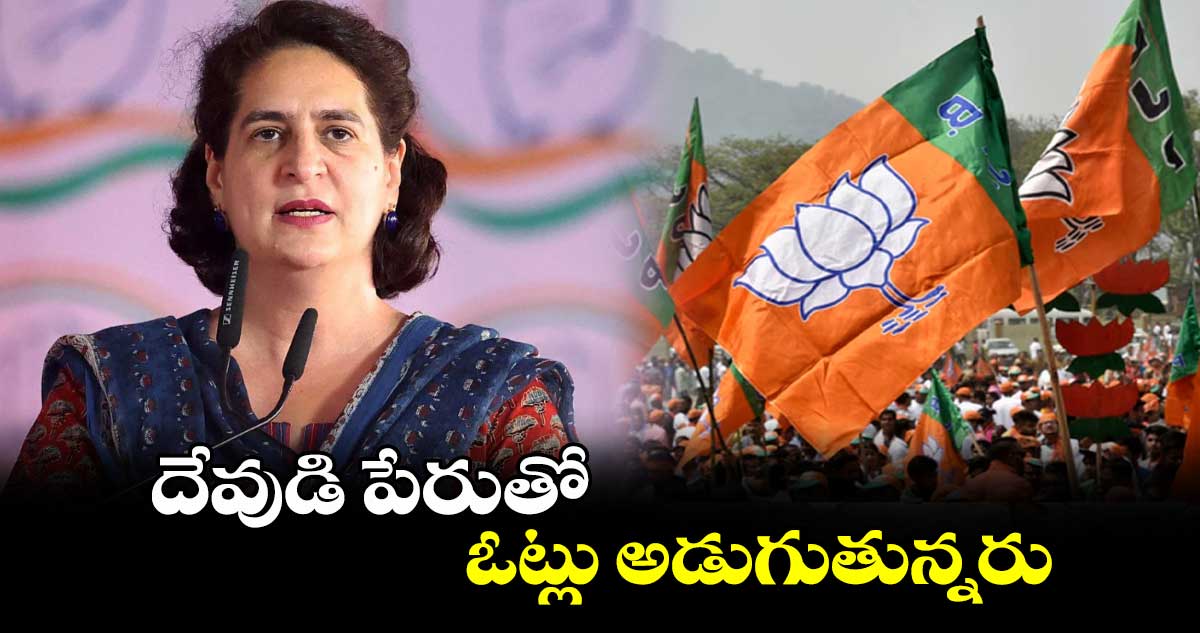
The BJP’s Alleged Emphasis on Religious Appeals:
Priyanka Gandhi’s criticism revolves around the BJP’s electoral messaging, which she claims heavily relies on invoking religious sentiments rather than discussing substantive policy matters. She argues that instead of addressing issues like inflation and job scarcity, the BJP tends to focus on emotive issues related to religion, potentially diverting attention from urgent socio-economic challenges.
Impact of Religious Rhetoric on Political Discourse:
Gandhi’s remarks shed light on the broader dynamics of political discourse in India, where appeals to identity, religion, and cultural nationalism often feature prominently. Critics argue that while such rhetoric may galvanize certain segments of the electorate, it can sideline crucial policy debates and hinder constructive dialogue on pressing issues affecting citizens’ lives.
The Significance of Economic Concerns:
Inflation and job creation are perennial concerns for the Indian populace, particularly amid the economic disruptions caused by the COVID-19 pandemic. Rising prices of essential commodities and a sluggish job market have heightened anxieties among citizens, making these issues central to electoral debates and policy agendas.
The Role of Opposition Critique:
As a key figure in the opposition camp, Priyanka Gandhi’s critique of the BJP’s electoral tactics underscores the importance of holding the ruling party accountable for its governance priorities. By highlighting the disconnect between political rhetoric and substantive governance, opposition leaders aim to mobilize public opinion and offer alternative visions for inclusive development.
Balancing Identity Politics with Socio-Economic Realities:
The debate surrounding the BJP’s emphasis on religious appeals versus addressing economic challenges reflects broader tensions within Indian politics. While identity-based narratives can mobilize support, they must be balanced with concrete policies aimed at improving livelihoods, reducing inequality, and fostering inclusive growth.
FAQs:
What did Priyanka Gandhi accuse the BJP of regarding its electoral strategy?
Priyanka Gandhi, a leader of the Indian National Congress (INC), accused the Bharatiya Janata Party (BJP) of seeking votes by invoking religious sentiments rather than addressing critical socio-economic issues like inflation and unemployment.
How does the BJP’s emphasis on religious appeals affect discussions on inflation and jobs?
According to Gandhi, the BJP’s focus on religious rhetoric potentially diverts attention from pressing economic concerns like inflation and job scarcity. She argues that this strategy sidelines substantive policy debates on socio-economic challenges.
Why are inflation and job creation significant concerns in India?
Inflation, the rise in the prices of goods and services, directly impacts the cost of living for citizens. Job creation is crucial for providing livelihood opportunities and ensuring economic stability, especially amid disruptions like the COVID-19 pandemic.
How has the COVID-19 pandemic affected India’s economic landscape?
The pandemic has led to economic disruptions, including job losses and supply chain disruptions, exacerbating existing challenges such as inflation and unemployment. This has heightened anxieties among citizens and intensified demands for effective governance.
What role does opposition criticism play in addressing governance priorities?
Opposition leaders like Priyanka Gandhi play a vital role in holding the ruling party accountable for its governance agenda. By highlighting discrepancies between political rhetoric and substantive governance, they aim to mobilize public opinion and push for inclusive development policies.
Is there a balance between identity-based politics and addressing socio-economic realities?
Balancing identity-based narratives with concrete policies aimed at improving livelihoods and fostering inclusive growth is essential. While identity politics may mobilize support, effective governance requires addressing the diverse needs of the population, including economic concerns.
How can citizens engage with political discourse on socio-economic issues?
Citizens can engage with political discourse by staying informed about policy debates, participating in discussions, and holding elected representatives accountable for addressing their concerns. Active civic engagement is crucial for shaping inclusive and responsive governance.
What are the implications of prioritizing religious appeals over socio-economic issues in electoral campaigns?
Prioritizing religious appeals over socio-economic issues can polarize society and hinder constructive dialogue on governance priorities. It may also perpetuate inequalities and neglect the needs of marginalized communities, undermining efforts towards inclusive development.
What steps can political parties take to address both identity-based concerns and socio-economic realities?
Political parties can adopt a comprehensive approach that integrates identity-based narratives with substantive policies aimed at addressing socio-economic challenges. This includes investing in job creation, social welfare programs, and inclusive development initiatives.
How can voters make informed decisions amid competing electoral narratives?
Voters can make informed decisions by critically evaluating political rhetoric, assessing candidates’ policy platforms, and prioritizing issues that directly impact their well-being. Engaging in dialogue with candidates and participating in electoral processes empower citizens to shape the future direction of governance.
Conclusion:
Priyanka Gandhi’s criticism of the BJP’s electoral strategy underscores the need for a robust discourse on substantive issues like inflation, job creation, and economic development. As India grapples with socio-economic challenges exacerbated by the pandemic, the role of political leaders in shaping public opinion and prioritizing governance priorities becomes paramount. Moving forward, a balanced approach that addresses both identity-based concerns and pressing socio-economic realities will be crucial for fostering inclusive and sustainable growth.
You May Also Like


