
Indian Opposition Struggles to Fight Modi’s Unchallenged Dominance,In the dynamic landscape of Indian politics, the dominance of Narendra Modi, the current Prime Minister, stands as a formidable challenge for the opposition. Despite their efforts, they are facing numerous hurdles in their quest to counteract Modi’s influence. This article delves into the intricacies of this struggle, shedding light on the factors contributing to Modi’s unchallenged dominance and exploring potential avenues for the opposition to navigate this complex terrain.
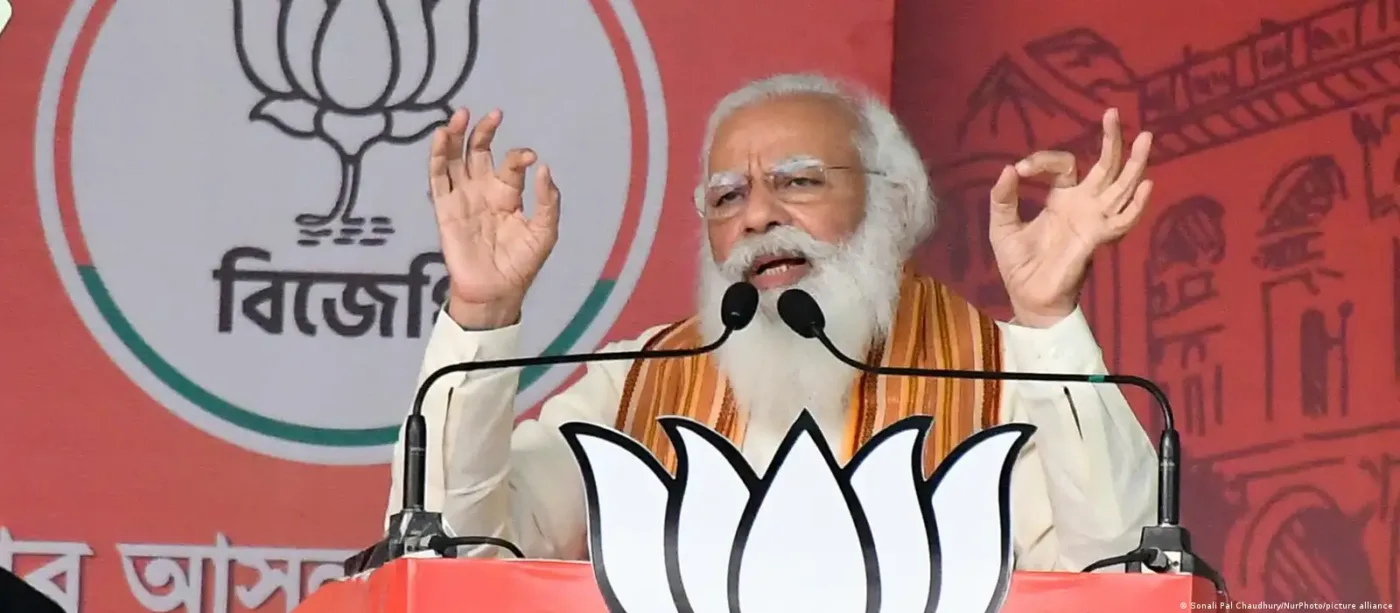
The Rise of Narendra Modi: A Political Phenomenon
Table of Contents
Narendra Modi’s ascent to power marked a significant shift in Indian politics. His charismatic leadership, coupled with promises of economic development and nationalism, resonated deeply with a wide spectrum of voters. From his humble beginnings as a RSS pracharak to his tenure as the Chief Minister of Gujarat, Modi cultivated an image of a decisive leader capable of steering India towards prosperity.
Challenges Confronting the Indian Opposition
1. Fragmented Leadership
The Indian opposition grapples with a lack of cohesive leadership, hindering their ability to present a unified front against Modi. Infighting and ideological differences further exacerbate this challenge, undermining their effectiveness in countering the ruling party’s agenda.
2. Modi’s Popularity
Modi enjoys widespread popularity, bolstered by his communication skills and adept use of social media. His ability to connect with the masses on various platforms amplifies his influence, making it challenging for the opposition to sway public opinion in their favor.
3. Electoral Dominance
The Bharatiya Janata Party (BJP), under Modi’s leadership, has secured significant electoral victories across various states, further consolidating its power. The opposition faces an uphill battle in breaking this electoral stronghold, limiting their ability to challenge Modi’s dominance.
4. Policy Initiatives
Modi’s government has implemented a slew of policy initiatives aimed at bolstering India’s economy and infrastructure. While controversial, these measures have garnered support from certain segments of the population, making it difficult for the opposition to gain traction by criticizing his administration.
5. Media Influence
The media landscape in India is often accused of bias towards the ruling party, providing limited space for dissenting voices. The opposition struggles to effectively convey their message to the masses amidst this perceived media imbalance, further hampering their efforts to challenge Modi’s dominance.
6. Social Divides
Modi’s leadership has been criticized for exacerbating social divides within Indian society, particularly along religious and caste lines. However, his ability to mobilize support from certain demographics has cemented his position, posing a formidable obstacle for the opposition in their quest for political relevance.
Exploring Strategies for the Opposition
1. Unity and Cohesion
The opposition must prioritize unity and cohesion, setting aside differences to present a formidable alternative to Modi’s leadership. By forging alliances and consensus on key issues, they can enhance their effectiveness in challenging the ruling party’s agenda.
2. Grassroots Mobilization
Investing in grassroots mobilization efforts is crucial for the opposition to connect with voters at the grassroots level. By engaging with local communities and addressing their concerns, they can build a strong support base capable of countering Modi’s electoral dominance.
3. Policy Articulation
Articulating clear and compelling policy alternatives is essential for the opposition to differentiate themselves from the ruling party. By offering viable solutions to pressing issues such as economic inequality and social justice, they can garner support from disillusioned voters seeking change.
4. Media Outreach
The opposition must leverage traditional and new media platforms to effectively communicate their message to the masses. By strategically utilizing media outreach campaigns and engaging with journalists, they can amplify their voice and challenge the dominant narrative propagated by the ruling party.
5. Coalition Building
Building coalitions with like-minded parties and interest groups can bolster the opposition’s strength and expand their reach. By forming strategic alliances based on shared values and objectives, they can enhance their capacity to influence political outcomes and counteract Modi’s unchallenged dominance.
Living in a constant struggle to secure odd jobs and manual labor opportunities, Virender Singh expresses his belief that his own challenges in earning a livelihood pale in comparison to the efforts made by Prime Minister Narendra Modi to elevate India’s status on the global stage.
Modi’s enduring popularity remains sky-high even a decade after assuming power. He has adeptly positioned himself as the guardian of India’s burgeoning global influence and the protector of the interests of the majority Hindu population.
Despite more than two dozen opposition parties joining forces to contest the upcoming elections with promises to address the escalating economic hardships, such pledges fail to resonate with voters like Singh. Residing in a New Delhi slum among fellow migrants, Singh reflects on the harsh reality of job scarcity, asserting that the plight of the poor remains unchanged regardless of who holds power. He voices his satisfaction with Modi’s governance, believing that the current trajectory is satisfactory.
Modi, aged 73, leads an extensively funded campaign machinery, with corporate contributions flooding in. A Pew survey conducted last year revealed that nearly 80 percent of Indians view him favorably.
In January, Modi oversaw the inauguration of a contentious temple in northern India, constructed on the site of a mosque demolished by Hindu extremists decades ago. The temple’s unveiling marks another milestone in the rise of assertive Hindu-centric politics in India, instilling fear among religious minorities about their future in the nation.
The fervent celebrations that followed the temple’s inauguration across the country further solidified Modi’s image as a staunch advocate for Hindu interests.
Nilanjan Mukhopadhyay, a biographer of the prime minister, observes that Modi has successfully convinced his supporters that prioritizing Hindu dominance and marginalizing minorities outweighs concerns like job creation.
Meanwhile, the opposition alliance, known as INDIA (Indian National Developmental Inclusive Alliance), appears resigned to defeat in the upcoming elections. Rahul Gandhi, the alliance’s prominent figure, has embarked on two extensive foot journeys across the country to engage with ordinary citizens and highlight their economic struggles.
Indian Opposition Struggles to Fight Modi’s Unchallenged Dominance
Despite his illustrious political lineage, including ancestors who served as prime ministers, Gandhi has suffered resounding defeats against Modi in previous elections. This time, he refrains from positioning himself as a prime ministerial candidate to prevent discord within the alliance.
Modi’s tenure has witnessed significant milestones, including the introduction of high-speed rail services, India hosting the G20 summit, and the successful launch of an unmanned mission to the Moon. The media portrays these achievements as symbols of India’s newfound prosperity after years of poverty.
Internal disagreements over seat allocations and contestations further diminish the opposition alliance’s credibility as a viable alternative government.
Rahul Verma of the Centre for Policy Research in New Delhi observes that Modi enjoys greater credibility among the populace, making it challenging for opposition parties to unify.(Indian Opposition Struggles to Fight Modi’s Unchallenged Dominance)
Opposition leaders allege that Modi’s Bharatiya Janata Party (BJP) has manipulated the electoral landscape in its favor. Several opposition members face politically motivated criminal investigations, while data reveals that the BJP has been the primary beneficiary of a controversial corporate donation scheme.
Lawmaker John Brittas argues that Modi’s rivals face inherent disadvantages due to the BJP’s efforts to tilt the electoral playing field in its favor.
Indian Opposition Struggles: FAQs
What are the main obstacles hindering the Indian opposition’s ability to counter Modi’s dominance?
The Indian opposition faces numerous challenges, including fragmented leadership, Modi’s popularity, electoral dominance by the BJP, policy initiatives implemented by Modi’s government, media influence, and social divides within Indian society.
How can the opposition overcome these challenges?
To overcome these challenges, the opposition must prioritize unity and cohesion, invest in grassroots mobilization efforts, articulate clear policy alternatives, leverage media outreach, and build coalitions with like-minded parties and interest groups.
What role does the media play in shaping public opinion regarding Modi’s leadership?
The media landscape in India is often accused of bias towards the ruling party, providing limited space for dissenting voices. This imbalance in media coverage poses a significant challenge for the opposition in their efforts to challenge Modi’s dominance.
Why is Modi’s popularity a significant hurdle for the opposition?
Modi’s widespread popularity, fueled by his communication skills and social media presence, makes it challenging for the opposition to sway public opinion in their favor. His ability to connect with the masses amplifies his influence, further solidifying his dominance in Indian politics.
How important is grassroots mobilization for the opposition’s success?
Grassroots mobilization is essential for the opposition to connect with voters at the grassroots level and build a strong support base. By engaging with local communities and addressing their concerns, the opposition can counteract Modi’s electoral dominance and broaden their appeal.
What strategies can the opposition employ to enhance their effectiveness in challenging Modi’s leadership?
The opposition can enhance their effectiveness by prioritizing unity and cohesion, investing in grassroots mobilization efforts, articulating clear policy alternatives, leveraging media outreach, and building coalitions with like-minded parties and interest groups.
Conclusion
In conclusion, the Indian opposition faces formidable challenges in their quest to challenge Modi’s unchallenged dominance. However, by prioritizing unity, investing in grassroots mobilization, articulating clear policy alternatives, leveraging media outreach, and building strategic coalitions, they can enhance their effectiveness and pave the way for a more vibrant and pluralistic political landscape in India.
You May Also Like


